When Divorce Doesn't End the War: What Your Post-Divorce Conflict is Teaching Your Children About Love
.jpg)

When Divorce Doesn't End the War: What Your Post-Divorce Conflict is Teaching Your Children About Love
Why This Work Matters to Me
If you're divorced and still using your children as messengers, scorekeepers, or witnesses to your ongoing battle with your ex—your children aren't learning resilience. They're learning that love equals conflict, that relationships mean war, and that they are responsible for managing other people's emotions.
And here's the part that breaks my heart: they will carry these lessons straight into their own relationships.
Let's explore together what's really happening—and more importantly, what you can do about it.
The Legacy You're Creating (Even When You Think They Don't Notice)
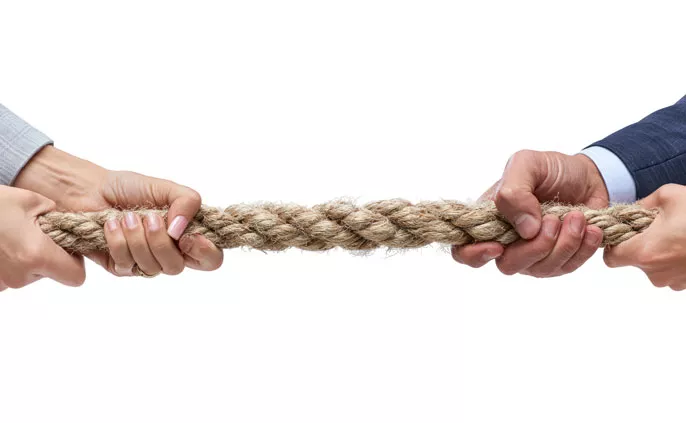
Children are extraordinarily perceptive. They notice everything—the tone in your voice when you mention their other parent, the way you tense up during drop-offs, the questions you ask that are really about gathering intelligence on your ex's life.
Even when you think you're protecting them by not arguing in front of them, they feel the tension. They sense the unspoken conflict. And they absorb it into their developing understanding of what relationships are supposed to look like.
Harville Hendrix, creator of Imago Relationship Therapy, discovered something profound: we unconsciously choose partners who recreate the emotional conditions of our childhood. Not because we're masochistic, but because our psyche is trying to heal old wounds in familiar territory.
So when your child grows up witnessing ongoing conflict between their parents—even post-divorce—they're not just observing a dysfunctional relationship. They're creating an internal template that says: "This is what love looks like. This is what I deserve. This is how people who once loved each other behave."
They learn that:
• Love means walking on eggshells
• Relationships require choosing sides
• Their needs come second to adult conflicts
• They are responsible for managing their parents' emotions
• Intimacy and safety cannot coexist
The Internal Beliefs That Follow Them
In Internal Family Systems (IFS) therapy, we understand that children develop "protective parts" in response to emotional wounds. When children are caught in their parents' ongoing war, they develop beliefs like:
"I'm not enough to make my parents happy."
"Love is conditional and can be withdrawn at any moment."
"If I'm just perfect enough, maybe they'll stop fighting."
"My feelings don't matter—I need to take care of everyone else."
"It's not safe to need people."
These beliefs don't just disappear when they turn 18. They become the lens through which they view every intimate relationship for the rest of their lives—unless someone helps them recognize and heal these patterns.
What's Really Happening With You (The Parents)

Now, before you feel crushed by guilt, let's talk about what's happening for you.
The truth is, ongoing post-divorce conflict is rarely about co-parenting schedules or who gets the kids for Christmas. At its core, it's about unmet attachment needs that never got resolved—either in your marriage or, more likely, long before you ever met your ex.
In Emotionally Focused Therapy (EFT), developed by Dr. Sue Johnson, we understand that underneath anger and conflict are deeper emotions: fear, hurt, shame, and—most fundamentally—the terror of disconnection.
When you continue fighting with your ex, you might actually be trying to meet these attachment needs:
- The need to be seen and validated: "If I can just make them admit they were wrong, I'll finally feel vindicated."
- The need to protect yourself from further hurt: "If I stay angry and vigilant, they can't hurt me again."
- The need to maintain some form of connection: "Fighting is at least a form of engagement. Silence and indifference feel worse."
- The need to prove you're not the 'bad' parent: "If I can show everyone they're difficult/unreasonable/problematic, then I'm off the hook."
- The need to control an uncontrollable situation: "I couldn't control the marriage, but maybe I can control this."
Here's the painful truth: None of these strategies work. They don't heal your hurt. They don't make you feel safer. They don't prove you're good enough.
They just perpetuate a cycle of conflict that damages everyone involved—especially your children.
How Therapy Can Help You Break the Pattern

The good news? This pattern can change. But it requires you to do something incredibly brave: turn your attention inward instead of continuing to focus on your ex's failings.
Here's what that looks like in therapy:
Understanding your triggers: When your ex sends that passive-aggressive text or "forgets" to pack your child's medication, what gets activated in you? Is it the same feeling you had as a child when you felt dismissed? Powerless? Unseen?
Identifying your attachment wounds: EFT helps us understand that our reactions to our ex often have roots in much older wounds. When we can identify and heal those original injuries, we stop needing our ex to be different in order for us to feel okay.
Meeting your own needs: IFS therapy teaches us that we have internal resources to meet our own needs for validation, safety, and worth. We don't need our ex to admit fault. We don't need to win every battle. We need to develop a compassionate relationship with ourselves.
Creating new patterns: Imago therapy shows us that we can make conscious choices about how we show up—even when everything in us wants to react. This means learning to respond rather than react, to set boundaries without creating war zones, and to prioritize your children's emotional safety over your need to be right.
The Gift You Can Still Give. It's Not Too Late.
Even if you've been locked in conflict for years, the moment you choose to step out of the pattern, you change everything. Not just for you, but for your children.
When you stop using them as pawns, they learn they're not responsible for adult problems.
When you speak respectfully about their other parent, they learn that people can disagree without destroying each other.
When you prioritize their emotional wellbeing over your need to be vindicated, they learn that love means protecting those who are vulnerable.
Your children don't need you to have a perfect co-parenting relationship. They need you to stop making them casualties in your war.
And that work?
That brave, difficult, transformative work of healing your own wounds so you can show up differently?
That's the work therapy was made for.
If you're ready to break this pattern—for yourself and for your children—I'd love to support you. You don't have to do this alone.
When to Seek Professional Support
If you're stuck in patterns of hurt or disconnection, if past issues feel too overwhelming to handle alone, or if you simply want guidance through this major transition, couples therapy can be invaluable.
This phase doesn't have to be navigated alone. Professional support can help you understand your responses to change and build even deeper connection for the years ahead.
Book a free confidential introduction call to explore how you can be supported along your path forward.
About the Author
Evelyne L. Thomas is an experienced Mental Health & Relationship Coach based in Dubai specializing in cross-cultural relationships, interfaith marriages, and expat family dynamics.
With experience supporting couples for over 10 years and over 40 years-experience of living and working in the UAE, she brings cultural sensitivity and holistic healing approaches to Mental Health and Relationship Coaching in the region.
She works with English & French speaking clients online worldwide or in person in Dubai.
All cultures, all backgrounds, all love stories are welcome
References
Understand how attachment wounds drive relationship patterns
Johnson, S. M. (2008). Hold me tight: Seven conversations for a lifetime of love. Little, Brown and Company.
Discover why we unconsciously recreate childhood dynamics in adult relationships
Hendrix, H. (2008). Getting the love you want: A guide for couples (20th anniversary ed.). Henry Holt and Company. (Original work published 1988)
Learn how Internal Family Systems therapy can heal protective patterns
Schwartz, R. C. (2021). No bad parts: Healing trauma and restoring wholeness with the Internal Family Systems model. Sounds True.
Longitudinal research showing ongoing parental conflict causes more damage than divorce itself
Hetherington, E.M. & Kelly, J. (2002). "For Better or For Worse: Divorce Reconsidered"
Never Miss a New Journal Entry
Join the newsletter to stay up to date on the latest from the blog and get answers on mental health and relationships.
Latest Posts
Reflections About Love, Life and What It Means To Live Consciously

Is Your Partner "Quiet Quitting" the Relationship? Why Withdrawal Is a Losing Strategy, Not Peacekeeping

The Invisible Divorce - Why You Might Be Present But Not Really There

Are You Still Playing the Role You Learned as a Child? Why Your Past Patterns Are Sabotaging Your Relationships Today

The Wound Beneath the Anxiety: What Is Your Nervous System Really Trying to Tell You

What Are We Actually Fighting About? The Hidden Language of Unmet Needs